Projects
Project List
North Devon NIA
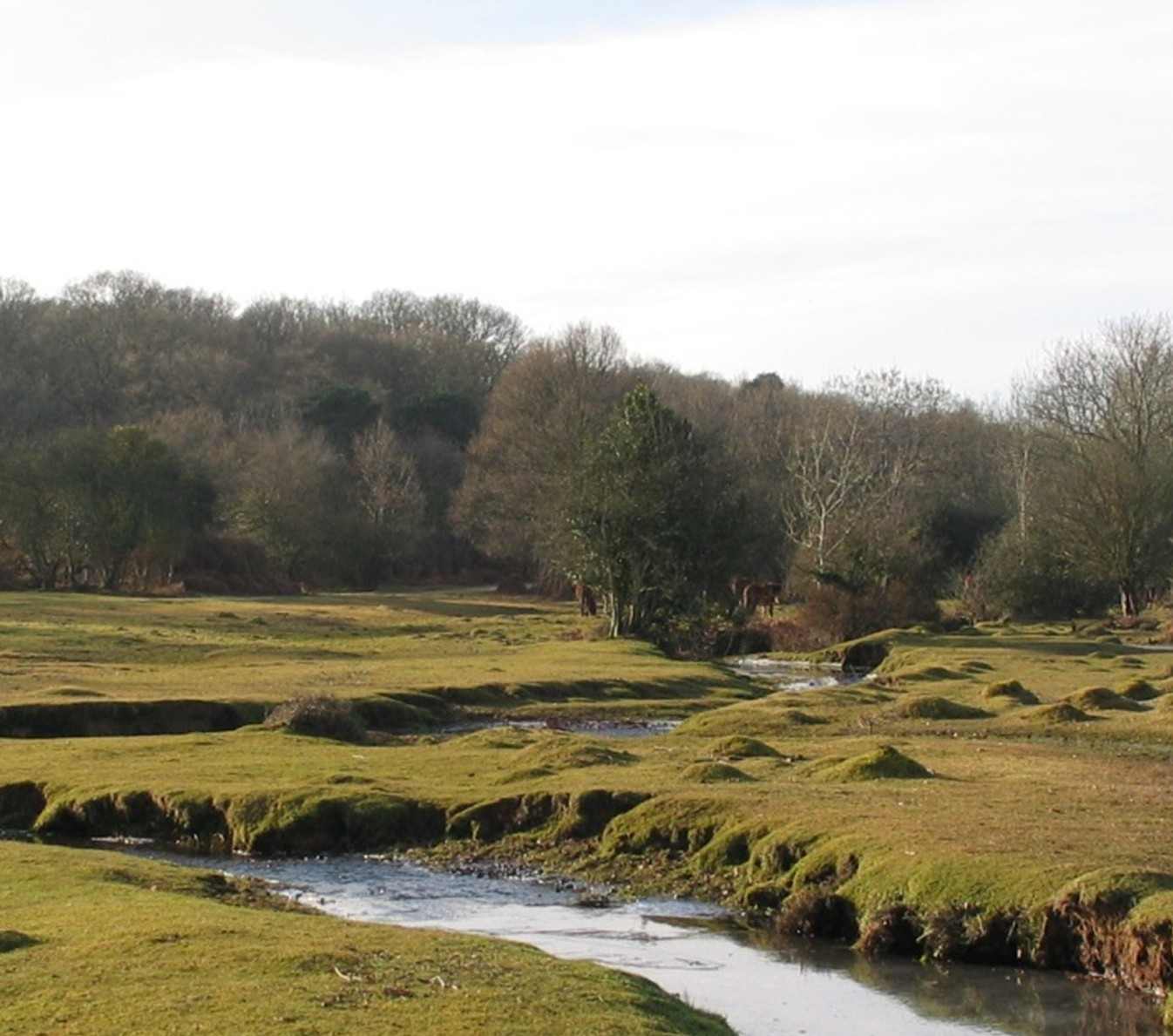
Image Credit: Chris Hill 2018
Project Title: North Devon NIA
Programme: Nature Improvement Area
Project Lead: Devon Wildlife Trust
Partners: North Devon Catchment Partnership (Beaford Arts, Mole Valley Farmers Butterfly Conservation, Natural England, Devon Biodiversity Records Centre, North Devon UNESCO Biosphere, Devon County Council, Plymouth University, Devon Wildlife Trust, Torridge District Council, Environment Agency, University of Exeter, Forestry Commission, Woodland Trust)
Funders: Defra
Nature of funding: Public sector (e.g. Defra)
Habitats: Rivers and streams,Broadleaved, Mixed and Yew Woodland (inc. orchards, wood pasture, lowland and upland woods) ,Acid grassland,Improved grassland (e.g. coastal and floodplain grazing marsh),Hedgerows
Dates: 2012 - 2020
Area: 3000
Goals and Objectives: To take an ecosystems-based approach to restore and re-create a wildlife-rich landscape across the internationally important River Torridge catchment, especially within the culm acid wet grasslands and to develop stronger links between environment, economy and local communities. Project is now the Northern Devon Natural Solutions.
Actions: Restoration, creation and connecting key habitats especially clum meadows and semi-natural woodland. Deliver high quality ecosystem services (water quality, flood risk and carbon), enable community understanding, advisory services, economic support through local supply (woodfuel)
Action List: Land / water management,Habitat / natural process restoration,Habitat creation (new features e.g. new woodlands, ponds etc),Incentive programmes / Conservation payments,Advisory Services,Education / Training / Community Awareness
Ecosystem Services: Carbon / Net Zero / GHG,Biodiversity,Flood and Drought,Other
Baseline Monitoring: Yes
Accredited methods: Yes
Who is monitoring: Project team,Volunteers,Consultants,Researchers / Academics
Data available: Yes
High level summary: North Devon Nature Improvement Area restores and reconnects Culm grasslands, woodlands and rivers, enhancing ecosystem services and engaging communities across the Torridge catchment to create a resilient, wildlife-rich landscape.
Outputs: The first three years: 2012 - 15 Progress and learning so far. https://www.devonwildlifetrust.org/sites/default/files/2018-06/NIA_Report_2015.pdf
Link / URL: https://www.devonwildlifetrust.org/what-we-do/our-projects/northern-devon-nature-improvement-area
Ripa Gar-Hutton Glen Lochay Biodiversity Partnership
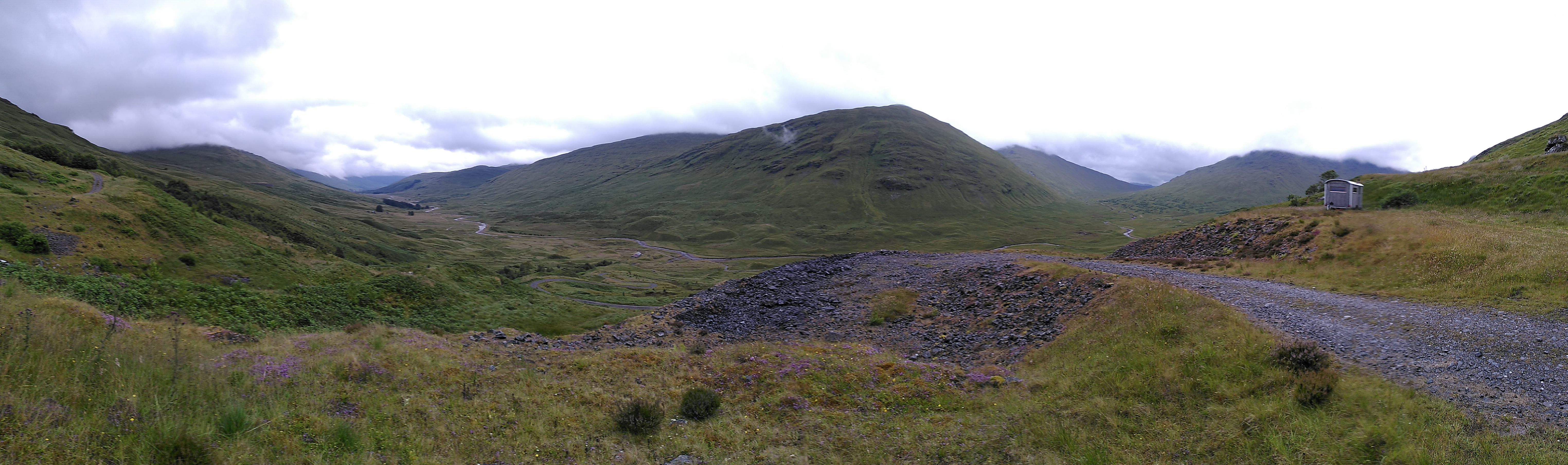
Image Credit: Stuart Smith 2024
Project Title: Ripa Gar-Hutton Glen Lochay Biodiversity Partnership
Programme:
Project Lead: Ripa Gar Foundation
Partners: The James Hutton Institute and Royal Botanic Garden Edinburgh
Funders: Ripa Gar Foundation
Nature of funding: Private sector (individual / estate)
Habitats: Rivers and streams,Standing open water and canals,Broadleaved, Mixed and Yew Woodland (inc. orchards, wood pasture, lowland and upland woods) ,Coniferous woodland,Acid grassland,Calcareous grassland,Dwarf shrub heath,Bogs,Montane habitat
Dates: 2019 -
Area: 5666
Goals and Objectives: The primary aim of the Ripa Gar Foundation is to achieve biodiversity, and to so so with as little human intervention as possible. The foundation ensures that this environmental purpose is maintained 'forever', creating an everlasting purpose. The foundation is intended to be a vivid example of alternative perspective that gives nature its own value, regardless of whether or not people perceive it. The aim is to achieve harmony of nature, and a balance created by the self. People are encouraged to find inspiration among the silent uplands of the glen.
Actions: Planting of over 1.5 million native broadleaf and conifer trees to create and open woodland. Creation of tree nursery to support rearing of local genetic tree stock. Planting on montane willow shrubs. Reintroduction of rare plant species including Alpine Blue-sowthistle, Wych Elm and Wild Apple. Fencing to exclude deer and encourage woodland development natural colonisation along with deer culling. Removal of livestock and cattle, apart from summer cattle grazing and soay sheep as food resource for nesting golden eagles and other raptors. Engineering of waterways to create wetland ponds and slow movement of water along the river Lochay.
Action List: Land / water habitat protection (e.g. creating a reserve),Land / water management,Habitat / natural process restoration,Species-specific Management,Habitat restoration and rehabilitation,Natural process mimicry (controls to simulate processes),Habitat creation (new features e.g. new woodlands, ponds etc),Incentive programmes / Conservation payments
Ecosystem Services: Carbon / Net Zero / GHG,Biodiversity,Flood and Drought,Soil Health,Erosion control,Health and Wellbeing,Cultural,Other
Baseline Monitoring: Yes
Accredited methods: Not known
Who is monitoring: Researchers / Academics
Data available: Yes
High level summary: Please see website
Outputs: Please see website
Link / URL: https://www.ripagar.com/
Ripa Gar-Hutton Glen Lochay Biodiversity Partnership
Farmers, Landowners, Northern Brown Argus and Species-rich Grasslands
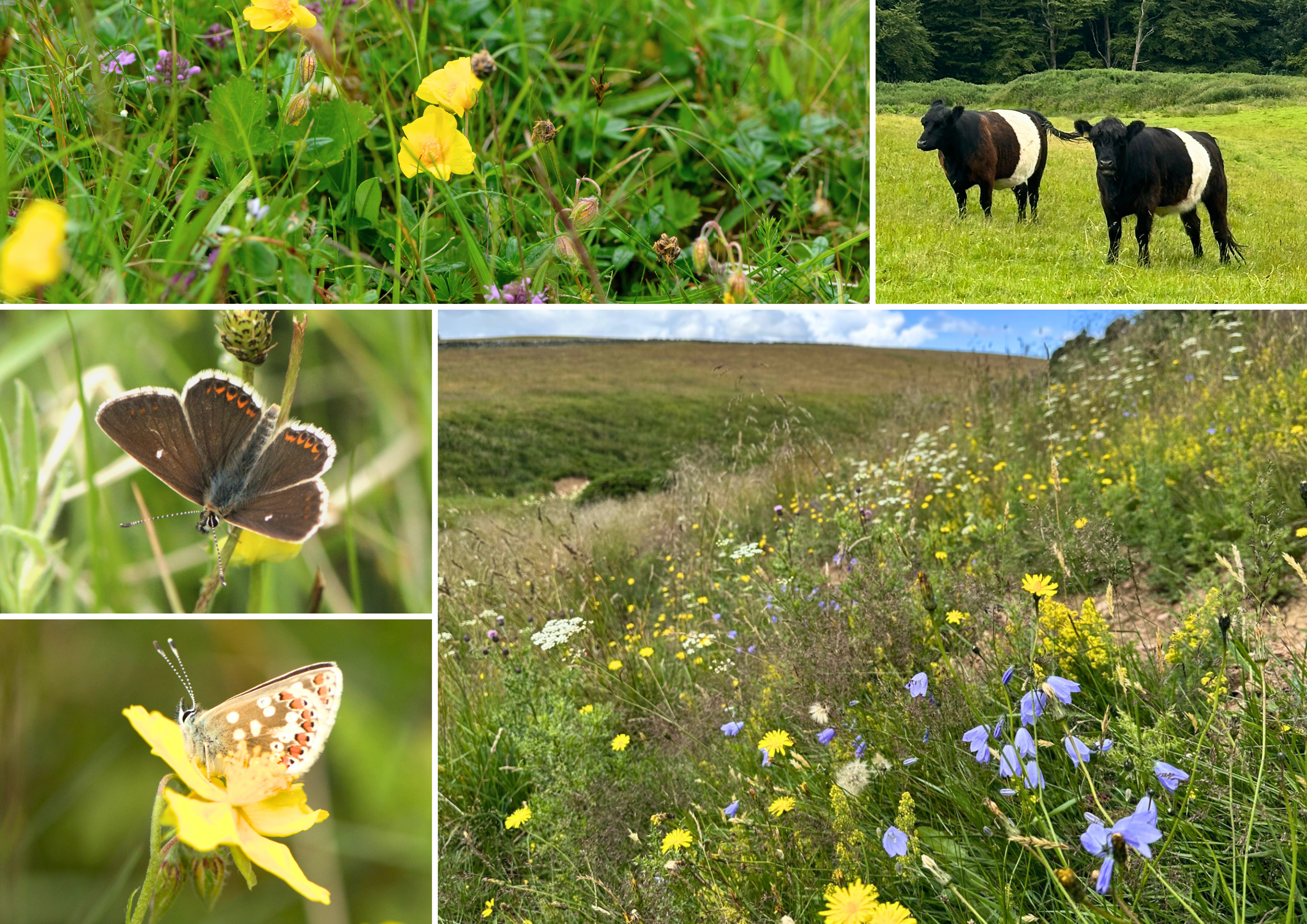
Image Credit: Apithanny Bourne 2025
Project Title: Farmers, Landowners, Northern Brown Argus and Species-rich Grasslands
Programme: Borderlands Inclusive Growth Deal - Natural Capital Programme
Project Lead: Butterfly Conservation
Partners: Scottish Borders Council
Funders: Borderlands Inclusive Growth Deal
Nature of funding: Public sector (e.g. Defra)
Habitats: Acid grassland,Calcareous grassland,Neutral grassland
Dates: 2025 - 2030
Area: 500
Goals and Objectives: Our aim is to develop a more sustainable approach to hill farming in south Scotland, that benefits both biodiversity and the rural economy. Butterfly Conservation will work closely with farmers and other landowners to restore at least 400 hectares of degraded grassland back into thriving, species-rich habitat. The Northern Brown Argus butterfly is our flagship species, due to its reliance on low intensity, seasonal grazing by cattle. Grassland will be restored through a variety of management trials and case studies, which will help to inform future grassland projects and agricultural policy.
Actions: Species-rich grassland restoration, management and new meadow creation.
Action List: Habitat / natural process restoration,Species-specific Management,Habitat creation (new features e.g. new woodlands, ponds etc)
Ecosystem Services: Biodiversity,Soil Health,Improved farm economics,Cultural
Baseline Monitoring: Yes
Accredited methods: Yes
Who is monitoring: Project team,Consultants
Data available: No
High level summary: Our aim is to develop a more sustainable approach to hill farming in south Scotland, that benefits both biodiversity and the rural economy.
Outputs: Results of our management trials will be published as case studies in 2030. Trials include gorse removal, bracken control, conservation grazing and meadow creation.
Link / URL: https://butterfly-conservation.org/borderlands
Farmers, Landowners, Northern Brown Argus and Species-rich Grasslands
Purbeck Heaths National Nature Reserve
Solway Coast and marine Project - Landscape Connections (SCAMP)
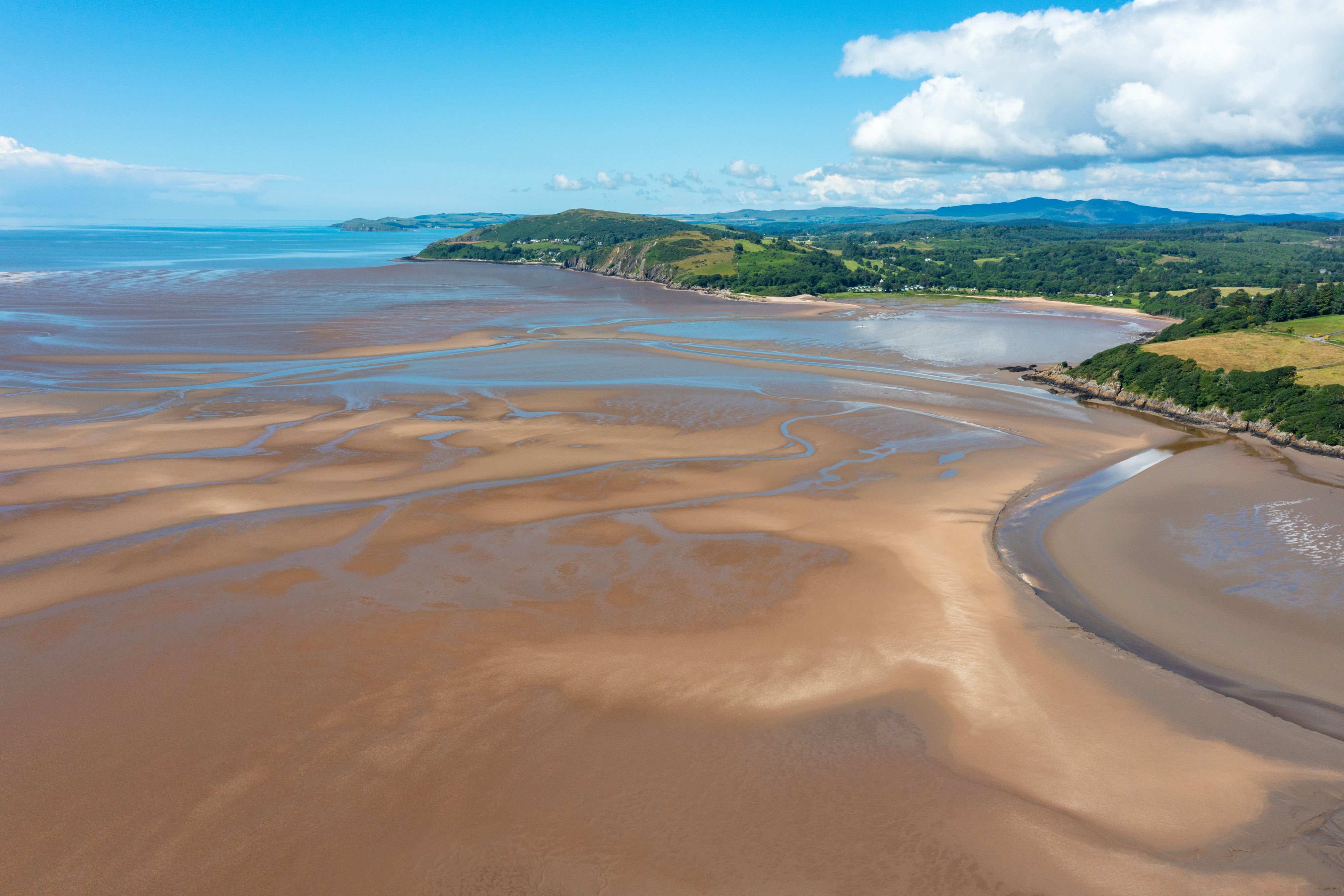
Image Credit: Mike Bowlan
Project Title: Solway Coast and marine Project - Landscape Connections (SCAMP)
Programme: National Lottery Heritage Fund Landscape Connections Programme
Project Lead: Dumfries and Galloway Council
Partners: Galloway and Southern Ayrshire Biosphere, Solway Firth Partnership, Galloway Rivers Trust, Dumfries and Galloway Woodlands, Crichton Carbon Centre, Southern Uplands Partnership, RSPB
Funders: National Lottery Heritage Fund, South of Scotland Enterprise, SEPA, Nature Restoration Fund, SWESTRANS, Holywood Trust, Dumfries and Galloway Council, Borderlands Inclusive Growth Deal
Nature of funding: Public sector (e.g. Defra)
Habitats: Rivers and streams,Broadleaved, Mixed and Yew Woodland (inc. orchards, wood pasture, lowland and upland woods) ,Fen, marsh and swamp,Bogs,Sublittoral / marine sediments (e.g. Subtidal Muds, Sands and Gravels - e.g. subtidal seagrass beds)
Dates: 2025 - 2035
Area: 217,000
Goals and Objectives: Solway Coast and Marine Project - Landscape Connections (SCAMP) is an ambitious coastal and marine nature restoration project, seeking to restore the coastal and shallow sea habitats of the Solway, along the entire 210 miles of the Dumfries and Galloway Coastline from Gretna to the Rhins of Galloway. SCAMP plans to explore community-driven initiatives to enhance and restore biodiversity and habitats, both underwater and along the coast. It will support communities to adapt to the effects of climate change, be more resilient to predicted sea level rise, and gain sustainable economic and social benefits.
Actions: We are focusing on the restoration of 6 key habitats, Native oyster reef, seagrass, saltmarsh, sand dunes, coastal woodland and coastal burns as we and access to the coast for local people and visitors through the improvement of coastal infrastructure, education and training and economic development for costal communities, utilising the arts and culture to engage local communities
Action List: Land / water habitat protection (e.g. creating a reserve),Land / water management,Habitat / natural process restoration,Invasive/problematic species control (e.g. Rhododendron control),Habitat restoration and rehabilitation,Habitat creation (new features e.g. new woodlands, ponds etc),Habitat linking (joining isolated habitats),Education / Training / Community Awareness
Ecosystem Services: Carbon / Net Zero / GHG,Biodiversity,Water Quality,Improved farm economics,Health and Wellbeing,Cultural,Recreation and tourism
Baseline Monitoring: Yes
Accredited methods: Yes
Who is monitoring: Project team,Volunteers,Consultants,Researchers / Academics
Data available: No
High level summary: The Solway Firth is one of the largest and least industrialised estuaries in Europe, with a diverse marine ecosystem. Solway Coast and Marine Project - Landscape Connections (SCAMP) is an ambitious coastal and marine nature restoration project, seeking to restore the coastal and shallow sea habitats of the Solway, along the entire 210 miles of the Dumfries and Galloway Coastline from Gretna to the Rhins of Galloway. SCAMP plans to explore community-driven initiatives to enhance and restore biodiversity and habitats, both underwater and along the coast. It will support communities to adapt to the effects of climate change, be more resilient to predicted sea level rise, and gain sustainable economic and social benefits.
Outputs: Currently in development
Link / URL: https://www.solwaycoastmarine.co.uk/
Solway Coast and marine Project - Landscape Connections (SCAMP)
LIFE WADER
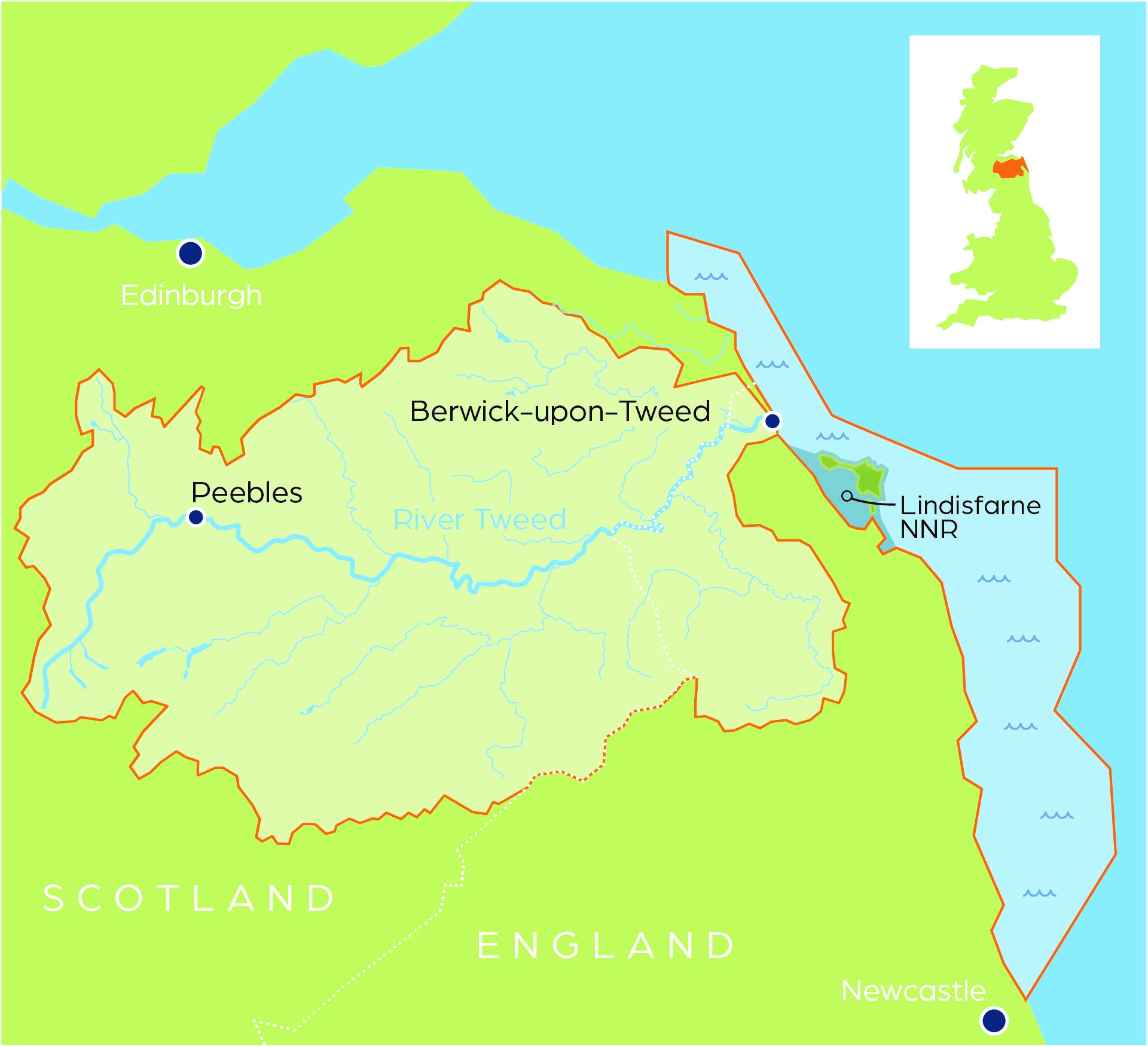
Image Credit: LIFE WADER
Project Title: LIFE WADER
Programme: Liz Humphreys
Project Lead: Natural England
Partners: Natural England Environment Agency Tweed Forum Newcastle University
Funders: EU LIFE Programme Natural England Environment Agency Tweed Forum Newcastle University
Nature of funding: Public sector (e.g. Defra)
Habitats: Rivers and streams,Broadleaved, Mixed and Yew Woodland (inc. orchards, wood pasture, lowland and upland woods) ,Cropland (arable and horticulture / orchards),Supralittoral sediment (e.g. sand dunes, vegetated shingle),Littoral sediments (e.g. saltmarsh, mudflats),Sublittoral / marine sediments (e.g. Subtidal Muds, Sands and Gravels - e.g. subtidal seagrass beds)
Dates: 2021 - 2027
Area: 70,242
Goals and Objectives: LIFE WADER is a five-year project to improve the condition of the river, intertidal and marine habitats of the Northumberland Coast and Tweed catchment for the species that depend on them. Spanning 70,242ha from the SE Scottish border along the Northumbrian coast, including the Tweed catchment, the project area includes four Special Areas of Conservation (SACs) and two Special Protection Areas (SPAs). By tackling issues affecting site condition targeting 10 Annex I habitats, 3 Annex II species & associated SPA bird interests, LIFE WADER aims to ensure these become sites more resilient to climate change. This partnership project takes a 'source to sea' approach to improve > 49,000 hectares of habitat by: 1. Reversing the decline of freshwater/coastal/marine habitats & species 2. Demonstrating best practice to businesses, policy makers and land managers 3. Increasing awareness of the importance and vulnerability of the SAC/SPA sites
Actions: Objective 1: Reverse the decline of freshwater/coastal/marine habitats & species Actions: • Delivering river restoration on the River Till / Breamish. • Creating reed beds and demonstration projects to address pollution from agriculture and other sources, reducing the level of nutrients entering the marine environment. • Planting trees and installing fencing along river corridors to improve the riparian zone and reduce risk of diffuse pollution. • Sympathetically removing opportunistic (macro)algae (which is smothering intertidal habitats) and identifying different ways the removed material can be used. • Reducing disturbance of birds, mammals, and sensitive habitats by assessing how many visitors an individual site can tolerate; and identifying pressure points and enhancing visitor management through an increase in the use of seasonal wardens, interpretation, revised bylaws and the creation of wildlife refuges. • Improving the control of INNS through better surveillance, new surveying techniques, improved detection and subsequent removal across freshwater, marine and dune land habitats, using non-chemical controls. • Enhanced cross-border working with regulators on water quality & IAS. Objective 2: Demonstrate best practice to businesses, policy makers and land managers Actions: • Developing freshwater/marine eDNA and ecosystem monitoring systems to better target restoration interventions and involve greater use of citizen science. • Increase knowledge/skills at local/ national/transnational levels including replicating work at 20 sites. Objective 3: Increase awareness of the importance and vulnerability of the SAC/SPA sites Actions: • Highlighting designated features, such as the bird assemblages' inter-dependence on the wider coastal ecosystem, reaching up to 500,000 people per year. • Inspiring the need for more sustainable management and care from a wide range of users, volunteers, stakeholders, businesses, regulators, visitors and communities.
Action List: Land / water management,Habitat / natural process restoration,Invasive/problematic species control (e.g. Rhododendron control),Habitat creation (new features e.g. new woodlands, ponds etc),Education / Training / Community Awareness,Regenerative practices (Agriculture / soils)*
Ecosystem Services: Water Quality,Recreation and tourism
Baseline Monitoring: Yes
Accredited methods: Yes
Who is monitoring: Project team,Researchers / Academics
Data available: Not known
High level summary: LIFE WADER is a five-year project aimed at improving the condition of the river, intertidal and marine habitats of the Northumberland coast and Tweed catchment for the species that depend on them. LIFE WADER has taken a catchment to coast approach to nature recovery looking at the bigger picture through a landscape-scale lens. Spanning 70,242ha from the SE Scottish border along the Northumbrian coast, including the Tweed catchment, and the Lindisfarne National Nature Reserve. LIFE WADER set out to tackle four major issues prevalent in the area: declining water quality, excessive algal growth, increasing spread of invasive species and growing recreational pressure on wildlife habitats. Through the trial of innovative solutions and demonstration of established practice these trends have begun to be reversed allowing nature to recover and become more resilient in the face of a changing climate. Alongside practical nature recovery solutions the project also set out to raise levels of awareness about the importance and interconnectivity of this special area. LIFE WADER has shown that small scale improvements achieved at the local level, when scaled up to catchment scale can bring enormous benefits to habitats, wildlife and people, delivering financial gains, improving and protecting ecosystems and enhancing visitor experiences.
Outputs: Marine Invasives protocol: Molecular monitoring of biofouling communities using settlement panels and diagnostic assays https:// dx.doi.org/10.17504/protocols.io.36wgqpm8kvk5/v1 The Tweed Catchment Biosecurity Plan: https://storymaps.arcgis.com/stories/5f02734c56634a38a7f46422c2f9cb2c TweedWATCH Education Pack - Destination Tweed : Destination Tweed https://destinationtweed.org/tweedwatch-education-pack/ Short film Restoring Budle Bay in Northumberland: https://www.youtube.com/watch?v=SgTmobee-BU River Restoration Film: https://tweedforum.org/our-work/projects/harehope-restoration-project/ .....much more to come
Link / URL: https://lifewader.co.uk/
East Kent Downs Landscape Recovery Project
Image Credit: Dan Tuson
Project Title: East Kent Downs Landscape Recovery Project
Programme: n/a
Project Lead: Natural England
Partners: 120 farmers /landowners (all private farms of varying sizes from 3ha to 2000 plus ha ) and of mixed enterprises : livestock/arable
Funders: The majority of the work is carried out through funding through agri environment schemes. A small part of the work (2 farms) is funded through BNG and a small amount of funding is from Affinity Water
Nature of funding: Public sector (e.g. Defra),Private sector (commercial / corporate),Agri-payments (CS / SFI),BNG
Habitats: Rivers and streams,Broadleaved, Mixed and Yew Woodland (inc. orchards, wood pasture, lowland and upland woods) ,Acid grassland,Calcareous grassland,Neutral grassland,Dense scrub,Improved grassland (e.g. coastal and floodplain grazing marsh),Cropland (arable and horticulture / orchards),Hedgerows
Dates: 1995 - 2040
Area: 2000ha (note this is solely the area of land directly under species rich grassland creation - this is the only measurement we use to define the area of 'high value' interventions for nature recovery (i.e we don't include existing /relic species rich grassland nor do we include other areas of farms and holdings that are being managed for nature conservation)
Goals and Objectives: The East Kent Downs Landscape Recovery Project is a Natural England led initiative and the culmination of over 25 years of working with farmers on habitat creation and nature recovery projects in the farmed landscapes of east kent. Using agri environment schemes as the main tool and building long term relationships with over 120 farms, the project has pioneered a novel approach to the way that the schemes are delivered. The project's key ambition has been to work, farm by farm, creating species-rich grasslands from arable land and grass-dominated pastures. Wildflower diversity is achieved through a combination of natural regeneration, native provenance wildflower seeding and green hay spreading with the overall ambition of achieving a new generation of floristically and structurally diverse grasslands. Restoring insect and seed-rich landscapes in this way delivers a sustainable long term and resilient resource of grasslands that drives species recovery across a broad range of taxa, in addition to all the attendant benefits to soil health, water quality and carbon capture. An annual rolling programme of new wildflower grassland creation is undertaken each year to ensure that there is a continual succession of new grasslands being created which helps to continually expand the network year by year. Supplementing this with a wider patchwork of the nature friendly farming measures such as grassy margins, bee and bird food plots, regenerative farming practices, and woodland management ensures that nature and food production can go hand in hand. The project is organised into three 'farmer groups' each comprising 30 or more farms who come together to share knowledge, learn and celebrate their successes. Critical to the central 'wildflower-grassland' focus of the project is a close 1-1 working relationship between each farm and a Natural England adviser so that, together, the combined commitment of each farm is able to deliver a well connected network of 'high nature value' habitats across the landscape of the East Kent Downs.
Actions: Using agri environment schemes as the main tool and building long term relationships with over 120 farms, the project has pioneered a novel approach to the way that the schemes are delivered. The project's key ambition has been to work, farm by farm, creating species-rich grasslands from arable land and grass-dominated pastures. Wildflower diversity is achieved through a combination of natural regeneration, native provenance wildflower seeding and green hay spreading with the overall ambition of achieving a new generation of floristically and structurally diverse grasslands. Restoring insect and seed-rich landscapes in this way delivers a sustainable long term and resilient resource of grasslands that drives species recovery across a broad range of taxa, in addition to all the attendant benefits to soil health, water quality and carbon capture. An annual rolling programme of new wildflower grassland creation is undertaken each year to ensure that there is a continual succession of new grasslands being created which helps to continually expand the network year by year. Supplementing this with a wider patchwork of the nature friendly farming measures such as grassy margins, bee and bird food plots, regenerative farming practices, and woodland management ensures that nature and food production can go hand in hand.
Action List: Land / water habitat protection (e.g. creating a reserve),Land / water management,Habitat / natural process restoration,Species-specific Management,Habitat restoration and rehabilitation,Natural process mimicry (controls to simulate processes),Habitat creation (new features e.g. new woodlands, ponds etc),Habitat linking (joining isolated habitats),Habitat buffering (buffer zones from external threats),Incentive programmes / Conservation payments,Advisory Services,Education / Training / Community Awareness,Regenerative practices (Agriculture / soils)*
Ecosystem Services: Carbon / Net Zero / GHG,Biodiversity
Baseline Monitoring: Yes
Accredited methods: Yes
Who is monitoring: Project team,Landowner / tenants,Volunteers,Researchers / Academics
Data available: No
High level summary: The East Kent Downs Landscape Recovery Project, running since 1995, demonstrates how a long term focus on creating a new generation of species rich grasslands (2000ha currently created), year by year, is able to drive nature recovery across a wide range of taxa across 120 farms. Critical ingredients include close 1 to1 working with each farm, an opportunity driven approach to allow the network of new grasslands to evolve organically (i.e not based on target areas or driven by 'lines on maps') and building long term relationships with the farming community. Successes include population and distribution increases (new colonisations) in many generalist and specialist butterfly, moth, bumblebee, bat, bird and mammal species (e.g duke of burgundy, small blue, dingy skipper, bright wave moth, brown banded carder bee, large scabious mining bee, yellowhammer, linnet, barn owl, corn bunting, serotine bat, brown hare)
Outputs: Summary report published in Conservation Land Management journal : https://www.eastkentdownsfarmers.co.uk/_files/ugd/051a3b_f99f1c431b244e67aab4097b6b36a644.pdf Map of created wildflower grasslands (2000ha) https://www.eastkentdownsfarmers.co.uk/_files/ugd/051a3b_9751c3a94a764b35813a16bcbafe80b3.pdf
Link / URL: https://www.eastkentdownsfarmers.co.uk/
East Kent Downs Landscape Recovery Project
Aire Resilience Company
Image Credit: Image credit: Leeds City Council
Project Title: Aire Resilience Company
Programme: Leeds Flood Alleviation Scheme
Project Lead: Leeds City Council
Partners: Environment Agency, Leeds City Council, The Rivers Trust, Yorkshire Wildlife Trust, Aire Rivers Trust, Y&H Regional Flood & Coastal Committee. We also have involvement of the private sector with an increasing number and range of companies joining the ARC business consortium.
Funders: To establish and create the Aire Resilience Company we received funding from the Yorkshire & Humber Regional Flood & Coastal Committee, the Environment Agency and from a charitable contribution from Beyondly, an environmental consultancy based in the Aire catchment. ARC's central purpose to roll out and maintain natural flood management in the upper Aire catchment for which we are receiving subscriptions mostly from the private sector. They are 'buying' climate resilience, primarily reduced flood risk.
Nature of funding: Public sector (e.g. Defra),Private sector (commercial / corporate),Blended funding
Habitats: Rivers and streams,Broadleaved, Mixed and Yew Woodland (inc. orchards, wood pasture, lowland and upland woods) ,Hedgerows
Dates: 2026 - 2069
Area: 1304 Ha - but this is working across the upper Aire catchment with an area greater than 356 square kilometres.
Goals and Objectives: The Aire Resilience Company (ARC) is a community interest company whose remit is the delivery and maintenance of natural flood management (NFM) in the upper Aire Catchment. NFM is an integral element of the Leeds Flood Alleviation Scheme. Slowing the flow and holding water in the upper catchment is the first line of flood defence for Leeds. ARC is a broker whereby the private sector 'buy's climate resilience thereby providing a climate resilient city and regional economy in which they operate. The premise being that you do not have to flood to be affected by flooding. Revenues raised then flow to farmer/landowners and land managers to host and maintain the NFM interventions for the long term in six identified priority sub catchments of the upper Aire. This provides a long-term sustainable revenue source which benefits rural, urban and private sector stakeholders.
Actions: Over five years ARC will deliver 1240 hectares of soil health interventions plus 64 hectares of further landscape interventions such as hedgerows, bunded hedgerows, tree planting etc.
Action List: Land / water management,Habitat / natural process restoration,Education / Training / Community Awareness,Regenerative practices (Agriculture / soils)*
Ecosystem Services: Flood and Drought,Soil Health
Baseline Monitoring: Yes
Accredited methods: Yes
Who is monitoring: Consultants,Researchers / Academics,Other
Data available: Not known
High level summary: The Aire Resilience Company (ARC) is an independent Community Interest Company (CIC) facilitating the delivery of long-term, evidence-based natural flood management interventions (NFM) in the mid and upper Aire Valley. These NFM measures will complement and enhance the protection afforded by the Leeds Flood Alleviation Scheme (LFAS). This approach will create long-term resilience against the impact of climate change and ensure the future protection of Leeds and its surrounding areas for decades to come. ARC is built on a consortium of local businesses and institutions all playing a leading role in increasing resilience and reducing the risk of the River Aire flooding in Leeds. As members of the ARC consortium, businesses benefit from enhanced flood risk reduction along with a range of additional benefits derived from using methods that work with nature to manage the impact of heavy rainfall.
Outputs: None at present
Link / URL: https://aireresilience.org/
